
Dead Cells
PlaydigiousAction
4.86.39K Reviews
- Version
- 3.5.9
- Installs
- 1.00M
- Age Rating
- Teen
Screenshots

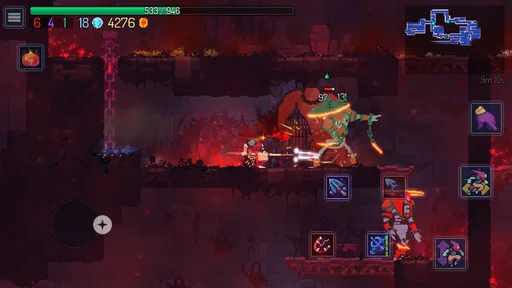
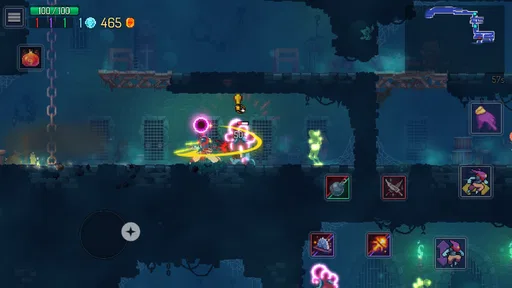
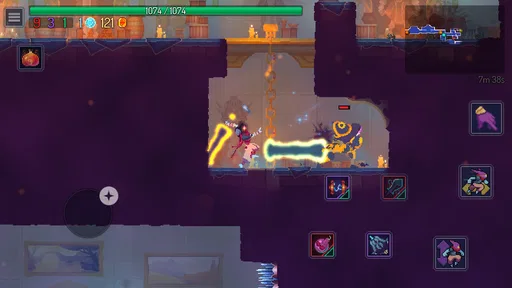
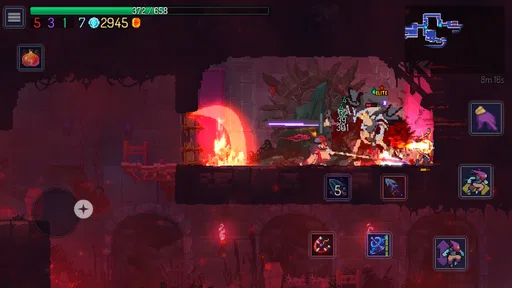
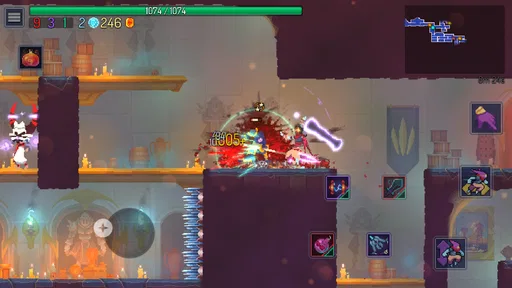
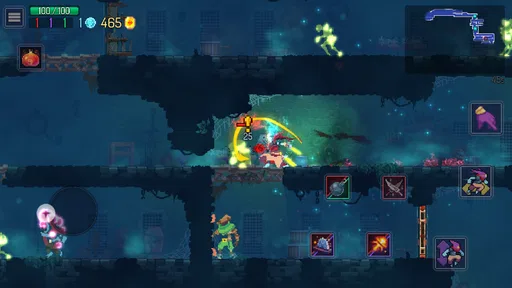
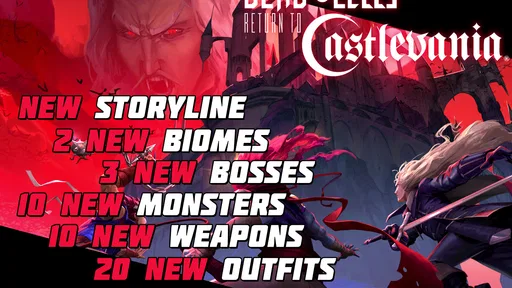
Our Review of Dead Cells
 Analysis by Appyee
I like Dead Cells best when I treat a run as a focused attempt rather than a promise to reach the end. A short session can still be worthwhile: I can test a weapon, learn how an enemy signals an attack, and come away better prepared even if the run ends early. That makes this action game easier to fit into spare time than a long, story-heavy adventure, though its demanding fights mean it isn’t always relaxing. Developed by Playdigious, it has a 4.8 average from around 126,000 ratings, a strong sign that its particular mix of speed and difficulty has found a large audience.
What a run asks of you
The appeal is not simply that the game is hard. It asks me to make small decisions under pressure: whether to keep moving, when to commit to an attack, and whether a tempting pickup suits the way I’m playing. Losing a run can sting, especially after a promising stretch, but the useful question is what caused it. Did I rush into a crowded room, misread an enemy, or carry a weapon that didn’t fit my approach? Turning a defeat into a specific lesson makes another attempt feel purposeful instead of merely repetitive.
That process is also why I would not recommend it as a calm background game. The responsive combat rewards attention, and looking away at the wrong moment can turn a manageable encounter into a costly mistake. If I have only a few minutes and want something gentle, a puzzle game or a slower platformer is a better fit. If I want a compact burst of concentration, though, a single run gives me a clear goal without requiring a lengthy story recap.
Choosing the right way to play
Experimenting with equipment is more useful when I change one part of my approach at a time. If I swap weapons, for instance, I can pay attention to whether the new choice suits my timing and preferred distance, rather than changing everything and being unable to tell what helped. This is a practical way to learn the game’s feel without turning every run into a test of memory. I also try not to judge a weapon from one awkward encounter: a tool that feels slow in a cramped fight may make more sense when I have room to control the pace.
For someone new to this style of action game, the main adjustment is accepting that progress is not measured only by how far one attempt goes. The combination of procedural runs and lasting upgrades gives repeated attempts a purpose, but the game still expects the player to improve. If you usually prefer a fixed sequence of carefully authored stages, Dead Cells may feel less directed than a conventional action platformer. If you enjoy adapting to changing situations and learning patterns by doing, that uncertainty is part of its appeal.
How it fits on mobile
On a phone, the important question is whether you can give the combat your attention and use controls comfortably. I would try a short session before settling into a long run, especially if touch controls are unfamiliar to you. A screen that feels fine while exploring can become less comfortable when enemies crowd in and reactions need to be quick. Playing somewhere quiet, with the display easy to see and your hands relaxed, makes more difference here than it would in a slower game.
It is also worth thinking about when you’ll play. A commute with frequent interruptions may not suit a run that has just become demanding; a break at home, where you can focus for a little while, is a better everyday scenario. The game’s run-based structure makes it easy to decide to try again, but that can also encourage “one more attempt” when you meant to stop. I’d set a natural stopping point before starting if I have somewhere to be.
What Makes Dead Cells Stand Out?
The first thing you’ll notice about Dead Cells is its vibrant and meticulously crafted pixel art. Each level is a visual treat, blending old-school aesthetics with modern design. The animations are smooth, making every slash and dodge feel satisfying. The developers have really poured their hearts into creating a world that’s as deadly as it is beautiful.
The Gameplay Loop
At its core, Dead Cells is all about exploration and combat. You start each run with a basic weapon and minimal gear, scouring the game’s sprawling levels for upgrades and power-ups. The procedural generation ensures no two runs feel the same, keeping you on your toes. I found myself constantly adapting my strategy, a necessity given the game’s unforgiving nature.
One of the game’s highlights is its combat system. It’s fast-paced and incredibly fluid. Whether you’re brandishing a sword, bow, or any of the game’s myriad weapons, the controls feel tight and responsive. The challenge ramps up as you progress, demanding precision and quick thinking. Trust me, you’ll get that adrenaline rush when you finally outsmart a particularly tough enemy.
Progression and Replayability
Dead Cells doesn’t hold your hand, and that’s part of its charm. Each death is a learning experience, offering insights into enemy patterns and level layouts. The progression system is clever, rewarding you with permanent upgrades that make subsequent runs a tad easier. But don’t be fooled – the game remains challenging, which is why it’s so addictive.
Unlocking new abilities and experimenting with different loadouts keeps the gameplay fresh. I often found myself returning just to see how different weapon combinations would fare. It’s the kind of game that encourages experimentation, rewarding players who take the time to master its mechanics.
Sound and Atmosphere
Another aspect where Dead Cells shines is its sound design. The soundtrack is both haunting and energizing, perfectly complementing the game’s intense action. Every sword clash and monster growl is crisp, adding to the immersion. The soundscape draws you further into the depths of this perilous world, making each encounter more intense.
The atmosphere is palpable, with each level teeming with life and danger. The dynamic weather and lighting effects enhance the mood, making each area distinct. Whether you’re trudging through dimly lit corridors or battling in lush, vibrant forests, the game’s world feels alive and ever-threatening.
Current version and value
The mobile edition is at version 3.5.9, and its release on June 2, 2020, gives it a longer history than a fresh port. That history is useful context, but I wouldn’t treat a version number as proof of any particular feature or change. Existing players can simply use the current version as a practical check when deciding whether their installed copy is up to date. The game has more than 1 million installs, and its 6,300 reviews give prospective players another indication of how widely it has been discussed.
At $7.99, this is a paid game rather than a free trial-style download. There are also in-app purchases priced from $0.49 to $7.99 per item, so I’d check the purchase options before handing the phone to a child or anyone likely to tap through prompts. The game is rated Teen. For me, the base price makes most sense if I already enjoy repeated action runs and expect to return to the combat; if I’m unsure whether this demanding format suits me, I’d first consider how often I realistically play games on my phone rather than assuming the high rating makes it an automatic fit.
Where it sits among action games
Compared with a traditional action platformer, which often leads me through a more fixed sequence, this one gets much of its replay appeal from runs that change and from responding to what I find. Compared with a slower Metroidvania, it puts more emphasis on immediate combat decisions than on leisurely backtracking. That distinction matters: players who want a carefully paced story or exploration without frequent pressure may be happier with another game, while people who like repeated attempts and skill-based encounters are more likely to appreciate its structure.
The trade-off is that procedural variety does not make every run feel equally exciting. A run can still become frustrating if I lose momentum or fail to find a setup that suits me, and repetition is part of the deal rather than a flaw that disappears after a few sessions. I would choose it over a more linear action game when I want to practise and improvise; I would choose the linear option when I want reliable pacing and a clearer sense of narrative progress.
Who should take the plunge
I’d recommend it to players who enjoy learning enemy behavior, adjusting their tactics, and accepting that a failed attempt can still teach something. It is also a good candidate for someone who wants an action game they can return to in separate sessions, provided they are comfortable with runs that demand focus. It is a weaker match for anyone who dislikes losing progress, finds quick combat stressful, or wants each play session to advance a story in a predictable way. The Teen rating is worth bearing in mind when choosing a game for a younger player, and the purchase options make it sensible to review spending controls as well.
If you’re deciding whether to keep playing after a rough start, I’d give yourself a few runs in which the goal is learning rather than winning. Watch how enemies telegraph danger, and try to notice which choices make you feel in control instead of just grabbing every upgrade. If the act of reading a fight and adjusting is satisfying, the game’s loop has probably clicked. If you mainly feel annoyed that each attempt asks you to begin again, that reaction is useful evidence that another style of action game may suit you better.
Why You Should Play Dead Cells
If you’re a fan of challenging games that reward skill and strategy, Dead Cells is a must-play. It’s a game that respects your time, offering a rewarding experience with each run. The blend of rogue-like mechanics with Metroidvania exploration creates a unique formula that’s hard to put down.
In conclusion, Dead Cells is a masterclass in game design. It’s visually stunning, mechanically deep, and endlessly replayable. Whether you’re a seasoned gamer or new to the genre, it’s an experience that’s well worth your time. So grab your weapon of choice and dive into the chaotic, exhilarating world of Dead Cells. You won’t regret it.
Verdict
Strengths of Dead Cells
- Fluid and responsive combat mechanics.
- Stunning pixel art and animations.
- Highly replayable with varied levels.
- Challenging yet rewarding difficulty curve.
- Frequent updates with new content.
Limitations of Dead Cells
- Can be frustratingly difficult for some.
- Requires a stable internet connection.
- Occasional performance issues on older devices.
- Limited storyline depth and narrative.
- In-app purchases can be pricey.
Other Releases by Playdigious
View All
Loop Hero
Role Playing4.7

Little Nightmares
Adventure4.5

Northgard
Strategy4.4

Potion Permit
Role Playing4.5
Similar Picks in This Category
View All
Temple Run 2: Endless Escape
Imangi Studios4.1

PUBG MOBILE
Level Infinite4.3

Free Fire: 9th Anniversary
GARENA INTERNATIONAL I4.4

Talking Tom: Hero Dash Run
Outfit7 Limited4.3

slither.io
Lowtech Studios3.9

Sniper 3D:Gun Shooting Games
Wildlife Studios4.6
Frequently Asked Questions
What type of game is Dead Cells?
Dead Cells is a roguelike, metroidvania-inspired action-platformer. Players navigate procedurally generated levels, battling enemies and collecting power-ups. The game is known for its challenging combat and permadeath mechanics, meaning each run is unique and requires strategic planning. Fans of fast-paced action and exploration will find it particularly engaging.
Is Dead Cells available on both Android and iOS?
Yes, Dead Cells is available on both Android and iOS platforms. The mobile versions retain the core gameplay experience found on PC and consoles, with controls adapted for touch screens. Players can expect the same high-quality graphics and fluid animations that define the Dead Cells experience across all platforms.
Does Dead Cells require an internet connection to play?
Dead Cells does not require a constant internet connection to play. It is primarily a single-player experience, allowing you to enjoy the game offline once it is downloaded. However, occasional internet access might be needed for updates or to access certain features like leaderboards.
How does the permadeath mechanic affect gameplay?
In Dead Cells, permadeath means that when you die, you start over from the beginning. This mechanic encourages players to learn from their mistakes and develop new strategies. Although you lose progress, you can unlock permanent upgrades and abilities that aid in future runs, adding a layer of strategy and progression.
Are there in-app purchases in Dead Cells?
Dead Cells offers a premium gaming experience without intrusive ads or mandatory in-app purchases. However, there are optional DLCs that expand the game with new levels, enemies, and weapons. These expansions are available as separate purchases, allowing players to enhance their experience if they choose.
Play our best games!


